Instilling confidence – presence not praise

Admiration of a steady and hardworking arc of achievement rather than ‘flash in the pan’ raw talent is the touchstone of a well-adjusted mind. And here’s why.

Is it possible that praise can lead to a loss of confidence, a recent book thinks yes.

Stephen Grosz

Stephen Grosz

In The Examined Life: How We Lose and Find Ourselves published by public library, psychoanalyst and University College London professor Stephen Grosz explores the workings of our inner life, with insights that are invariably profound and often provocative. Grosz writes: “Nowadays, we lavish praise on our children. Praise, self-confidence and academic performance, it is commonly believed, rise and fall together. But current research suggests otherwise — over the past decade, a number of studies on self-esteem have come to the conclusion that praising a child as ‘clever’ may not help her at school. In fact, it might cause her to under-perform. Often a child will react to praise by quitting — why make a new drawing if you have already made ‘the best’? Or a child may simply repeat the same work — why draw something new, or in a new way, if the old way always gets applause?” If you’re already number one, why try harder?

It’s a controversial way of thinking but there is a dollop of truth in our current world of instant gratification and a general lack of gumption. Fame is perceived as easy to achieve but the climb is hard and under publicised. The hard work isn’t shown in the reality TV shows, talent isn’t naturally developed, skill comes with time and practice so why would do we need to applaud our young every step of the way these days. Do you think we need a shake up?

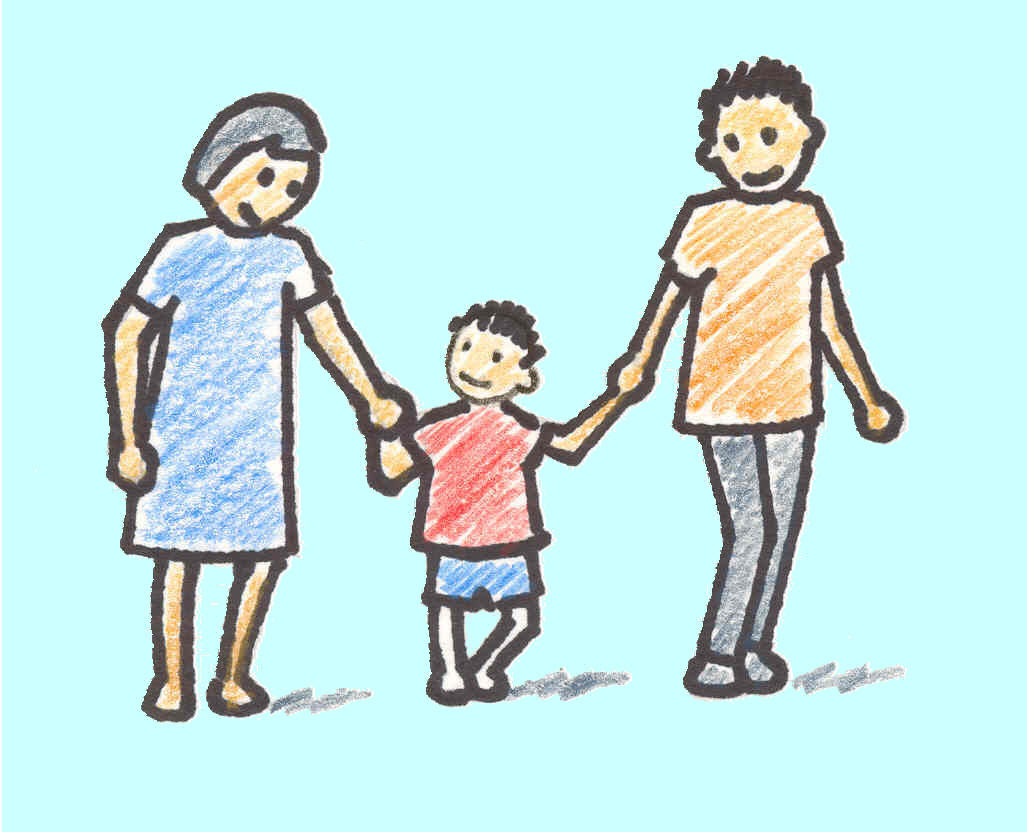
Grosz also adds, “Being present, whether with children, with friends, or even with oneself, is always hard work. But isn’t this attentiveness — the feeling that someone is trying to think about us — something we want more than praise?”

What do you think?

LYP team says: It’s an interesting theory and worth thinking about further especially when working with young people at any age. As educationalists we would say don’t underestimate the power of spending time with someone on a regular basis. We have seen this working effectively when teaching self-esteem,over an 8-week period, that their individual self-esteem goes up dramatically but not solely because of our presence. We are aware that there are other factors involved that help determine a successful outcome, like encouragement, praise, fun, laughter respect as well as listening to them.
Pop star raises awareness of depression in young men

professor-green-lullaby-video-still-1410700151-hero-wide-0

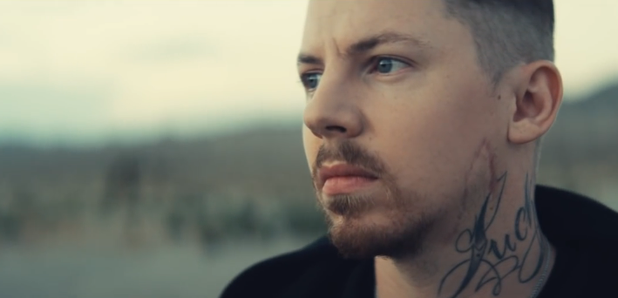
Multi-millionaire pop star Professor Green appeared on Sky TV News recently to discuss his depression and to raise awareness of the importance of getting assistance. In the interview he discussed his belief that young men aren’t as usually as emotionally developed as they should be to handle difficult mental health issues.

Depression is down to natural chemical imbalances in the body and with professional help and self-coaching can be treated. Mental health is a crucial agenda point for health services and resources though stretched need to be supported. Public figures like Professor Green bring awareness on a massive scale to common issues because their reach is wider bringing in fans of a relevant age. Pop stars can engage young people at the right time and age in their lives in the right way.

To see the full Professor Green interview click here:> link

LYP says: It’s good that we as a society are starting to recognise and become more aware of mental health issues. This is partly highlighted by celebrities who are brave enough to step out and open up about the difficulties they have faced.  However we are facing a huge financial pressure to offer services for young people with mental health difficulties. The government and local councils have  consistently made huge financial cuts to these essential services that enable young people to access help. Unfortunately, If there is any help the threshold of accessing it has gone up and the services are so overwhelmed that they cannot cope. LYP is helping schools by providing self esteem courses, peer mentoring and restorative justice work. This is just drop in the ocean but at least it’s a drop in the right ocean. #Preventionisbetterthancure.

What is cyberbullying?

While the emotional aspects of bullying continue to be devastating, the internet and social media have changed the way children experience bullying.

There have always been school bullies. There have been as omnipresent as the teachers, surly dinner ladies, funny smells and Bunsen burners. Whilst many of us may angle the old chestnut that it nothing new is inaccurate.

In most cases bullies existed during school hours. Now there’s no off switch. Cyberbullying is a new order and because it wasn’t around during our education years our duty as parents is to learn about it and get informed.

Love Young People has found this great infodump to help you learn all there is to know about cyberbullying, just in case you’ve never heard of it, don’t understand it’s impact and maybe need to help a loved one by learning what they may be going through. See how you can help because it’s very real, but there are avoidance techniques.

Visit: https://www.internetmatters.org/issues/cyberbullying/learn-about-it/ to see how you can help.

LYP says: Over the last few years we’ve been listening to young people’s testimonies about how they’ve been bullied online and we’ve also noticed a dramatic increase in the number of mental health issues arising through cyberbullying. We know some schools are more proactive in addressing the rise of online bullying but sadly most schools are not. That is why LYP is trying to work alongside young people in and out of schools to improve their self-esteem through workshops and courses.

If you’re interested in finding out more, chat to us. lirqyxmwfn0jcry3qwr_drgqddtsia43umgfndplkp_z1web4zqex6pe55zsrkaylxnnkh6ma9ay_qv3objaxkbw1hawioiq2iqqjggx5cdvfoz9afi

Are you depressed?

I was once working in an office and I heard a colleague announce that she’d seen Clare, who was signed off work with severe depression, standing on a street corner laughing.  My colleague obviously didn’t understand how depression works because there are always ways to mask our feelings and if you are a depressive or feeling depressed then you aren’t necessarily miserable 24.7. There are subtler behavior patterns to indicate that you may be suffering from this mood disorder.

'The Black Dog of Depression'

‘The Black Dog of Depression’

 Here are some indicators that may help.

You’re hiding your feelings

You can’t tell if you’re happy or unhappy

You’ve constructed a busy life

You don’t understand what makes you angry

You may begin to act erratically

You no longer get joy out of the things you love

You’ve gotten too introspective

You can’t think clearly or make decisions

LYP says:

Mental health is a difficult topic for employers to address as there’s no fixed way of identifying it. So articles like this can be positive in asking and challenging the reader to think about their own situation. However it may be also be damaging as people tend to self-diagnose their symptoms rather than getting professional help? Visit your GP if you are concerned or someone you know has expressed worries about you. Likewise if you know someone who could be suffering alone.

Local authorities need to protect youth services

2754195_orig

A new report from Unison, A Future at Risk, said an estimated £387m has been cut from youth service budgets since 2010, adding that there are about £26m more cutbacks on the way. 91% of the cuts will effect the poorest amongst us. Young black, gay, gang members, transgender and those in social care at the most risk of being failed by the system. Victims of sexual abuse and drug addiction are also counted amongst those losing out.

UK youth services can no longer support the number of cases. Take a look at these statistics and you will be shocked at the scale of this failure to our young people in the UK.

Some 600 youth centres have closed down, 3,650 youth staff have lost their jobs, and 139,000 youth places have been axed.  Further information from 180 councils suggests that young people most in need are increasingly being left with nowhere to turn for support.

Unison compiled information from every local authority in the UK that has responsibility for youth services and asked them what became of their funding between 2014 and 2016.

Unison also surveyed its members working in youth services for the report, on how they saw the changes affecting young people and communities on the ground.

Green Party leader Natalie Bennett said these findings laid bare the very real damage austerity had done to our communities.

“As a society, we should be prioritising giving young people the best possible start in life. But our government has shown it is willing to slash vital youth services for the sake of short-term cash savings – which is both reckless and short-sighted.”

LYP says:  We agree with Natalie Bennett, it’s the same old rhetoric and since the 19th century governments from each side of the political fence have financially ‘yoyo’d’ the very essence of informal education because basically it’s so hard measure and quantify the outcomes. We must leave the youth work service alone and stop interfering with young people’s lives as if it is a business. All these financial cuts will only destroy the  good work so far and is still yet to happen. At some point in the future there will be a price we will all have to pay as a society for not having the right youth provision services in place. Only time will tell what price that will be! 

Parents fear for their mentally ill children

family

Recently a new survey commissioned by our friends at @MQmentalhealth has highlighted parents’ fears on mental health. The results report that two-thirds of parents are concerned that if their children developed a mental-illness during childhood there’s not enough of the right support available. The research also highlights valid worries concerning that mental-ill children may not be able to secure a job, find a partner, be put into care full-time or have a family as a result of their condition, in later life.

A survey of 2,061 adults, including 500 parents, found that 67% of parents believe their child may never recover from being diagnosed with mental illness. The survey was commissioned by MQ – Transforming Mental Health to find out if the parents think that the support is there and where there a knowledge gaps too.

The results have renewed concerns about how well equipped NHS children’s and adolescent mental health services are to deal with the growing number of young people experiencing problems such as acute anxiety.

About one in 10 children and young people aged five to 16 have been diagnosed with a mental disorder. The commonest conditions are conduct disorder (5.8%), anxiety (3%), hyperkinetic disorder (1.5%) and depression (0.9%), according to Office for National Statistics data from 2004.

Mark and Claire say:  We work in schools with young people with mental health problems through our self-esteem courses and see first hand the reality of young people struggling to cope with so many mental health issues that schools cannot cope in supporting them.  Love Young People also agrees and acknowledges that there aren’t enough resources to support young people growing up and this will only get worse as government funding has been dramatically cut over the last few years.  We will reap what we sow. 

Big Brother (UK) 2016 pushes negative boundaries

This year, two of Channel 5’s Big Brother inmates appeared to have sex live on air. Leaving little to the imagination Marco Pierre White jr and hostess Laura Carter engaged in bold foreplay and then proceeded to bed for more. The episode received in the region of 250 complaints out of 1.1 million viewers and was the highest draw of the series so far.

Bizarrely, White was given a ‘hall-pass’ for the length of the series by his fiance Kim Melville-Smith – so whilst one-hand we’re now able to see undramatised sexual acts live on television, we’re undermining the marriage union.

OFSTED are currently investigating the complaint to see if laws of indecency or broadcasting laws have been broken and breached.

celebrity-big-brother-2016-teaser

What kind of message do you think this display sends when everything around is become increasingly pornified?

LYP team wonders what’s next?  The fact that channel 5 and other media organisations try to compete for anyone’s attention with constant sexual promiscuity is mystifying. It only reinforces their desperation as the housemates that appear on the show are showing symptoms of grabbing fame at any cost, as cheap as it will make them and show look. This brazen act of sexuality concern us  and that this is just the tip of the iceberg that is sadly melting away the sacredness of sexuality. We know they’re not the first and wont be the last.